Jerash City

The Jordanian Mappers • July 6, 2024

Share this article

Jerash Travel Guide: When to Visit, What to See, and How to Get There

PLANNING TIPS AND RECOMMENDATIONS

Jerash, one of the best-preserved Roman cities in the world, is a fascinating destination for history enthusiasts and travelers alike. This guide provides essential information on planning your visit to Jerash, including when to go, what to see, and how to get there.


When to Visit Jerash

Choosing the right time to visit Jerash can enhance your experience significantly. The best times to visit are during spring (March to May) and autumn (September to November) when the weather is mild and pleasant. These periods are also the high season for tourism in Jordan, with plenty of events and cultural activities to enjoy. During these times, you can expect temperatures ranging from 20°C to 25°C (68°F to 77°F), which are ideal for exploring the ruins comfortably.

Summer can be very hot, with temperatures reaching up to 35°C (95°F) or higher, making it less comfortable for exploring the ruins. However, mornings and late afternoons are still manageable. If you choose to visit during the summer, it’s advisable to carry plenty of water, wear sunscreen, and take breaks in the shade to avoid heat exhaustion.

Winter can be chilly, especially at night, and while it’s a quieter time to visit, it can be rainy and less ideal for exploring the open-air sites. The temperatures during winter range from 5°C to 15°C (41°F to 59°F). Despite the cooler weather, winter can be a great time to visit for those who prefer fewer crowds and a more tranquil experience.

To make the most of your visit, consider arriving early in the morning or late in the afternoon to avoid the midday heat and crowds. Allocate at least half a day to explore the site thoroughly, as there is much to see. Early mornings also offer the best light for photography, while late afternoons provide a magical ambiance as the sun sets over the ruins.


How to Get to Jerash

Jerash is located in northern Jordan, about 50 km (31 miles) north of Amman. Here are the main options for getting to Jerash:

By Car

Renting a car is a convenient way to travel to Jerash. The drive from Amman takes around 1 hour via the Jerash Highway. The roads are well-maintained and the route is straightforward, with clear signposts along the way. Renting a car offers the flexibility to explore at your own pace and the convenience of traveling directly to the site. Parking is available near the entrance to the ruins.

By Bus

There are regular buses and minibusses from Amman to Jerash. The journey takes about 1.5 hours. Buses depart from the Tabarbour bus station in Amman and are an affordable option, although they may not run on a strict schedule. The buses are generally comfortable and provide a scenic route through the Jordanian countryside. Once you arrive in Jerash, it’s a short walk or taxi ride to the entrance of the archaeological site.

Private Tours & Transfers

For a more personalized experience and convenience, especially for those with a tight schedule, booking a private tour from Amman  or transfer service is an excellent choice. These services offer comfortable transportation and knowledgeable guides, ensuring a smooth and informative trip. Private tours often include door-to-door service from your hotel, eliminating the hassle of public transportation. Additionally, the guides provide valuable insights and context about the historical significance of Jerash, enhancing your visit.


Entrance Fees and Jordan Pass

Entrance Fees:

• Adults: 10 JOD (approx. 14 USD)

• Children (under 12 years): Free


Jordan Pass:

The Jordan Pass is a cost-effective option for visitors planning to explore multiple sites in Jordan. It waives the visa fee and includes entry to Jerash along with over 40 other attractions. The cost of the Jordan Pass varies depending on the duration of the visit:

• One-day pass: 70 JOD (approx. 99 USD)

• Two-day pass: 75 JOD (approx. 105 USD)

• Three-day pass: 80 JOD (approx. 112 USD)

The Jordan Pass is highly recommended as it simplifies the entry process and provides significant savings for those planning to visit multiple sites, including Petra, Wadi Rum, and the Dead Sea.


What to See in Jerash

Jerash is renowned for its impressive Roman ruins. Here are some must-see highlights:

The Arch of Hadrian

Built in 130 AD to honor Emperor Hadrian’s visit, this majestic arch stands at the entrance to the city. It was intended to be a grand gateway and is an excellent example of Roman architecture, with its three arches and decorative reliefs.

The Hippodrome

An ancient stadium used for chariot races and other events, the Hippodrome once held up to 15,000 spectators. Today, you can watch reenactments of Roman military and gladiator shows, which provide a glimpse into the entertainment culture of the Roman era. The shows are held regularly and are a popular attraction for visitors.

The Forum (Oval Plaza)

A unique and magnificent open space surrounded by 160 Ionic columns, the Forum is one of the most iconic sights in Jerash. It served as a central gathering place for social and political activities. The impressive size and design of the Forum reflect the prosperity and importance of Jerash in the Roman Empire.

The Cardo Maximus

This main street of the city is lined with columns and features a well-preserved Roman road, complete with visible chariot tracks. The Cardo Maximus was the main thoroughfare and commercial hub of ancient Jerash, with shops and public buildings lining the route. Walking along this ancient street gives a vivid sense of life in a bustling Roman city.

The North and South Theatres

These ancient amphitheaters were used for performances and public meetings. The South Theatre is particularly impressive and still hosts events today. The North Theatre, though smaller, is also well-preserved and offers great views from the top tiers. Both theaters showcase the Romans’ engineering skills and their appreciation for arts and culture.

The Temple of Artemis

Dedicated to the patron goddess of the city, this temple features towering columns and offers stunning views of the site. The Temple of Artemis was a significant religious center and its grandeur reflects the importance of the deity to the people of Jerash. The remaining columns and intricate carvings provide a glimpse into the temple’s former glory.

The Nymphaeum

A beautifully decorated fountain that once served as a public water supply. The Nymphaeum was adorned with statues and reliefs and was a focal point of the city’s water system. It demonstrates the advanced engineering and architectural skills of the Romans in creating functional and aesthetically pleasing public spaces.


Additional Activities

Beyond exploring the ruins, there are other activities to enjoy in Jerash:

The Jerash Festival of Culture and Arts

Held annually in July, this festival features music, dance, and theatrical performances from around the world, set against the backdrop of the ancient ruins. The festival transforms Jerash into a vibrant cultural hub, with performances taking place in the ancient theaters and open spaces. It offers a unique opportunity to experience the city’s historical sites in a lively and dynamic setting.

Local Cuisine

Sample traditional Jordanian dishes at local restaurants in Jerash. Don’t miss out on trying mansaf, a traditional lamb dish cooked with yogurt and served with rice. Other popular dishes include mezze (a selection of small dishes), grilled meats, and fresh salads. The local cuisine reflects the rich culinary heritage of Jordan and provides a delicious complement to your cultural experience.


Accommodation

While Jerash can be visited as a day trip from Amman, there are a few accommodation options in the city and nearby for those who prefer to stay overnight. Staying in Jerash allows you to explore the site at a more leisurely pace and experience the local culture.

Olive Branch Hotel

Located a short drive from the ruins, this hotel offers comfortable accommodations with scenic views of the surrounding countryside. The Olive Branch Hotel is known for its friendly service and peaceful atmosphere, making it an ideal base for exploring Jerash.

Hadrian’s Gate Hotel

Situated close to the archaeological site, Hadrian’s Gate Hotel provides convenient access to the ruins and modern amenities for a comfortable stay. The hotel’s location allows for easy exploration of Jerash and offers a comfortable retreat after a day of sightseeing.

For a more immersive experience, consider staying in a local guesthouse or bed and breakfast. These options provide an opportunity to engage with the local community and enjoy authentic Jordanian hospitality.


Conclusion

A visit to Jerash is a journey through time, offering a glimpse into the grandeur of the Roman Empire. With careful planning, you can ensure a smooth and enriching experience. Start planning your trip today and immerse yourself in the history and beauty of Jerash with The Jordanian Mappers.


For detailed itineraries and convenient bookings for your visit to Jordan & Jerash, explore our tours page.

Recent Posts

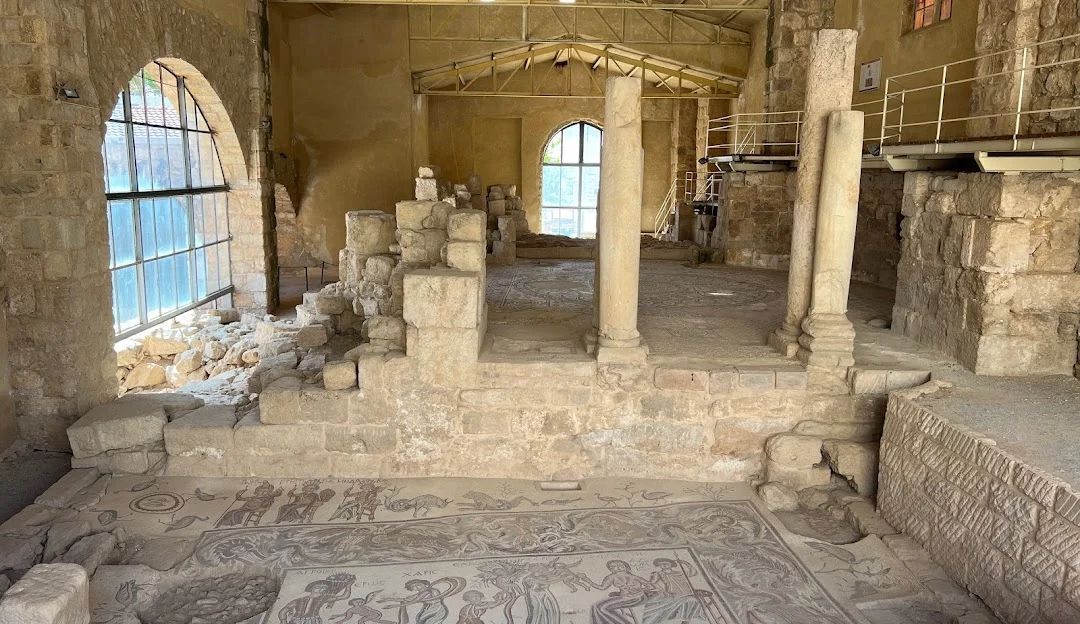
Ancient stone interior with arches, columns, and mosaic floor in a historic ruin
By The Jordanian Mappers • September 28, 2024
Madaba’s Byzantine Heritage: A Mosaic of History Madaba is a Jordanian city, lying some 30 kilometres southwest of Amman, boastfully acknowledged with rich historical and cultural heritage from
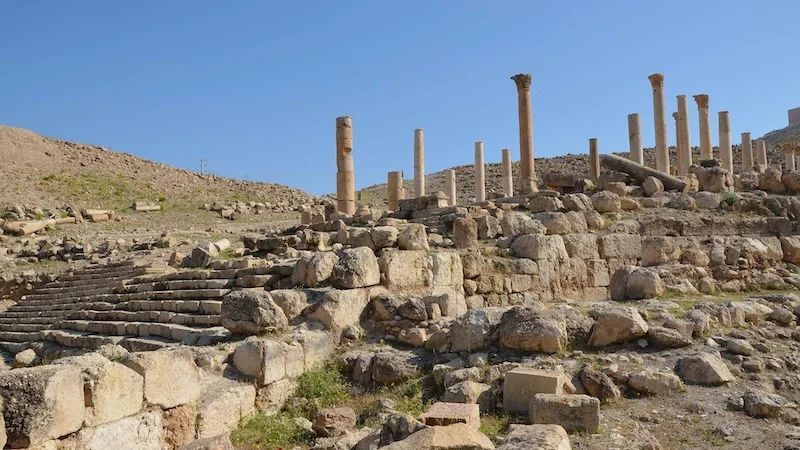
Ancient stone ruins with columns on a rocky hillside under a clear sky
By The Jordanian Mappers • September 28, 2024
Pella, Jordan: A Journey Through Time Nestled in the verdant hills of the Jordan Valley, about 130 kilometres north of Amman, lies Pella – a treasure trove of history known locally as Tabaqat F
By The Jordanian Mappers • September 3, 2024
Is Jordan Safe? Current Situation As of Sep. 2024, Jordan continues to be a safe and stable destination for travelers. Despite being in a volatile region, Jordan has maintained internal st
By The Jordanian Mappers • September 3, 2024
Is Jordan Safe for Americans to Travel? Absolutely Yes, and Here’s Why The short answer is yes, Jordan is safe for Americans to travel. In fact, it’s even safer than being at home in the
By The Jordanian Mappers • August 23, 2024
Is Jordan Safe? Yes, Jordan is safe to visit even amid the ongoing Israel-Hamas conflict. Despite regional tensions, Jordan maintains stability and safety for tourists. Here’s a detailed look a
By The Jordanian Mappers • July 10, 2024
The Byzantine Empire in Jordan: A Historical and Cultural Analysis Introduction The Byzantine Empire, spanning from the 4th century to the 15th century, significantly influenced the regions it contr
By The Jordanian Mappers • July 10, 2024
Umm ar-Rasas: A Byzantine and Early Islamic Site in Jordan Introduction Umm ar-Rasas, also known as Kastron Mefa’a, is a significant archaeological site in Jordan that offers insights into the
By The Jordanian Mappers • July 10, 2024
Jerash: A Comprehensive Overview of Its Byzantine Heritage Introduction Jerash, known as Gerasa in antiquity, is one of the most significant and best-preserved archaeological sites in Jordan. Locate
By The Jordanian Mappers • July 7, 2024
5 Jordan World Heritage Sites Jordan’s UNESCO World Heritage Sites are some of the most iconic landmarks in the Middle East. Located between Palestine, Syria, and Iraq, Jordan is a country rich
By The Jordanian Mappers • July 7, 2024
Hiking in Jordan: A Guide to Its Diverse Trails Exploring the hiking trails in Jordan offers a range of experiences with landscapes that vary from arid deserts to lush mountains. Jordan’s uniqu

Show More