Jordan has two good seasons and two that need planning. Spring and autumn are the safe answer, and they're right, but the detail matters: Petra is at its best in May, the Wadi Mujib canyon trails open and close on fixed dates, and a winter night in Wadi Rum can fall below freezing. Here's how we'd plan it, month by month and place by place.
Short version. Come in March to May or September to November for the most comfortable weather, and expect higher prices and more visitors. Summer is hot but workable if you start at dawn. Winter is cold and wet inland but quiet, and Aqaba stays warm. The Wadi Mujib Siq Trail runs from 1 April to 31 October and the dry Ibex Trail from 1 November to 31 March, so check the trail before you plan around it (October 2026).
Season by season
Spring (March to May)
Spring is the best season overall, and a high one. Temperatures are warm but not scorching and wildflowers bloom. Rain tapers off by March, though it can linger in Amman until late April. By late April and May it's hotter at the Dead Sea and Aqaba, and khamseen dust winds can raise temperatures by about 10°C for a few days. May is the best month for Petra, with about 4 mm of rain and rarely above 30°C. Typical March highs are 18 to 28°C, and May ranges run 18 to 28°C in Amman and 13 to 24°C in Petra.
Summer (June to August)
Amman reaches about 40°C but the dry heat is usually bearable, while the Dead Sea and Aqaba can top 45°C, with a hot wind in Aqaba. Petra peaks around 32°C in August. We advise early starts: around 5 am at Petra, and noon to 3 pm indoors. Petra is quieter in August. Summer is a peak season for visitors from the Gulf, and the Jerash Festival runs in July.
Autumn (September to November)
Temperatures drop to comfortable levels and the first rains usually come in October, mostly late in the month. September to November is the best period for Aqaba and the Red Sea, with water around 26°C in October, but prices rise as temperatures fall. September brings more tourists and longer queues, and November highs are in the high teens to low 20s °C, with cold nights especially in Wadi Rum.
Winter (December to February)
In winter, expect Amman chilly, windy and wet with occasional snow, Petra with short days and freezing nights (lows around -8°C recorded), and Wadi Rum milder but with desert nights down to about 4°C. Aqaba stays warm, up to about 23°C. Most rain falls in December and January, snow occasionally falls in December at higher altitudes including Petra, and heavy rain can cause flash floods, so allow buffer time. It calls January and August the quietest months at popular sites such as Petra.
Why temperature figures differ
Temperature figures for the same month differ depending on whether they're an average high or a peak. Amman averages 31 to 33°C in August but can reach about 40°C at its hottest. Both are right. Use the ranges as a guide, and check a forecast for your dates, especially for the Dead Sea and Aqaba, which run hotter than Amman and Petra.
Wadi Mujib and other trail seasons
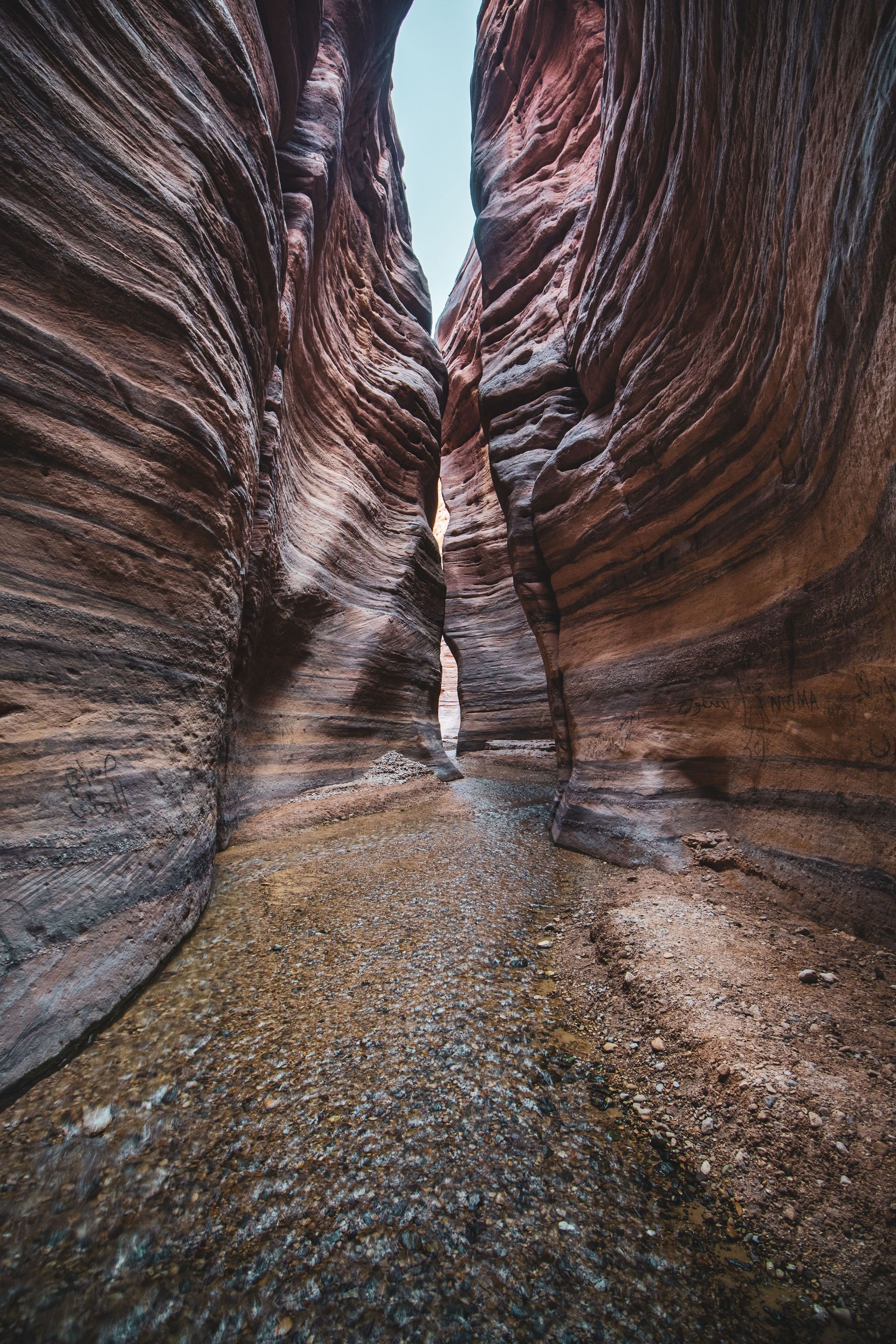
Wadi Mujib is run by the Royal Society for the Conservation of Nature (RSCN). These are the dates we found for the 2025 and 2026 seasons, and the Jordan Tourism Board's page shows the same pattern: the wet trails are summer only and the Ibex Trail is winter only.
- Siq Trail (wet canyoning): 1 April to 31 October, daily 8:00 to 15:30 with last entry around 14:00.
- Ibex Trail (dry, guided): 1 November to 31 March, daily 8:00 to 14:00, with booking recommended.
- Canyon and Malaqi trails: summer only, with a trained guide required, according to the Jordan Tourism Board. Each includes a 20 m waterfall descent.
- Fee: The 2025 listing we found gives 23 JOD for non-Jordanians, including tax and subject to RSCN updates. Our
Jordan Pass post gives about 21 JD plus tax for the Siq Trail, so confirm the current fee with the Adventure Center.
- Jordan Pass: Wadi Mujib isn't included and needs a separate ticket.
- Age and safety: wet trails require 18 or over with ID, life jackets are provided, and trails close automatically if rain or flash floods are forecast.
Contact the provider before you travel. The Jordan Tourism Board lists WildJordan/RSCN at 00962 6 4616523 and tourism@rscn.org.jo. We haven't re-verified Wadi Ghuweir's season or the Ajloun Forest Reserve trails, which our earlier post gave as April to October and year-round, so confirm them before planning a hike around them. Our
Hiking in Jordan post has more on trails.
Crowds, prices and holidays
- Busiest: spring and autumn, with May busy and September bringing longer queues.
- Quietest: January and August at Petra and other popular sites.
- Prices: prices rise in autumn as temperatures fall. Book accommodation early in popular areas in spring and autumn.
- Eid and Hajj: air fares and seats are tighter around Eid al-Fitr and Eid al-Adha, and Hajj can block-book flights through Jordan.
- Ramadan: dates shift every year, so check a current calendar. Muslims fast from dawn to dusk, so avoid eating in public by day. Evenings are lively.
Choosing your month
- Best all-round for Petra: May, or April and October if you want slightly fewer crowds than the peak.
- Quiet Petra and you don't mind cold: January.
- Desert camp: spring or autumn. In winter, ask about blankets and heating at camp (see our
camp guide).
- Red Sea, diving, Aqaba: September to November.
- Hiking and canyoning: April to October for the wet Siq Trail, November to March for the dry Ibex Trail.
- Heat is fine and you want fewer people: August, with dawn starts.
What to pack changes by season too. Our
dress guide has the packing list.
FAQ
What is the best month to visit Jordan?
Our pick is April, May, October or November. May is the best month for Petra. The best month for you depends on whether you want comfort, quiet or the sea.
Is Jordan too hot in summer?
It's hot, with Amman near 40°C and the Dead Sea and Aqaba above that at times, but it's dry. Start at dawn and rest from noon to 3 pm.
Does it snow in Petra?
Occasionally. Snow falls at higher altitudes in December, including Petra, and winter nights can freeze.
When can I do the Wadi Mujib Siq Trail?
From 1 April to 31 October. From 1 November to 31 March the dry, guided Ibex Trail runs instead. Trails close if rain or flash floods are forecast.
When is Jordan cheapest?
Winter outside holidays, and August, are the quietest, and winter can bring deals. Check whether camps or highland guesthouses are closed.
Is Ramadan a bad time to visit?
Not necessarily. Sites are open and evenings are lively, but avoid eating in public by day and check opening hours. Dates change each year.
Plan around your dates
Tell us when you're coming on our
contact page and we'll suggest an order for Petra, Wadi Rum and the rest, or read our
Aqaba port guide if you're arriving by ship.
Last updated: 2 November 2026. Trail dates, fees and weather change, so check before you go.
Sources checked
Sources checked: the Royal Society for the Conservation of Nature (RSCN) and the Jordan Tourism Board for the Wadi Mujib trails and dates, plus our own seasons guiding in Petra and Wadi Rum. Climate figures are typical ranges, so check a forecast for your dates.