

Things to Do in Jordan: 25 Places, What They Cost and How to Fit Them In
If possible, try to spend an extra day in Petra. Many people only spend 1 day in Petra and 1 afternoon in Wadi Rum, which means the trip can be hectic. Although the journey from Amman to Wadi Rum is only around 4 hours, try to decide carefully how much time to spend where.
The short version: With 3 days, include Petra and Wadi Rum. With 5 days include Jerash and the Dead Sea. With 7 days, include Madaba, Mount Nebo, Dana or Wadi Mujib (April-October only). Petra is 50JD for one day if you spend 1 or more nights in Jordan. If you need a visa, it is almost always worth buying the Jordan Pass (70-80JD).
Entry fees and the Jordan Pass, in one place
Prices below are sourced from the Jordan Tourism Board and Jordan Pass websites. They apply to foreign visitors.
Children under 12 can enter Petra free of charge in daylight hours.
Jordan Pass: The Jordan Pass costs 70JD (Wanderer), 75JD (Explorer) or 80JD (Expert). It includes a tourist visa of 40JD if you require one (depending on nationality). If you buy the pass in advance, it will cover this. However, depending on the source, you must stay in Jordan for 2 (Jordan Pass website) or 3 nights (Jordan Tourism Board & UK Government). As it depends on the discretion of the border officer, to be safe, plan to stay 3 nights.
Calculations: If spending just one day in Petra, and requiring a visa, this option costs 90JD alone. So the Wanderer option is definitely best value. For a standard 7 day trip (2 days Petra, Jerash, Ajloun, Umm Qais, Citadel & Theatre, Wadi Rum, Karak and Madaba), the total cost of entry fees is 88JD, compared to 75JD with the Explorer. With the visa, this would be 128JD, so still cheaper with the pass. The only scenario where it is not worth buying the Jordan Pass is if you don’t require a visa and are only visiting Petra for one day and Wadi Rum (55JD). More examples in our post on whether the Jordan Pass is worth it.
Petra and the south
1. Walk the Siq to the Treasury and follow the main trail
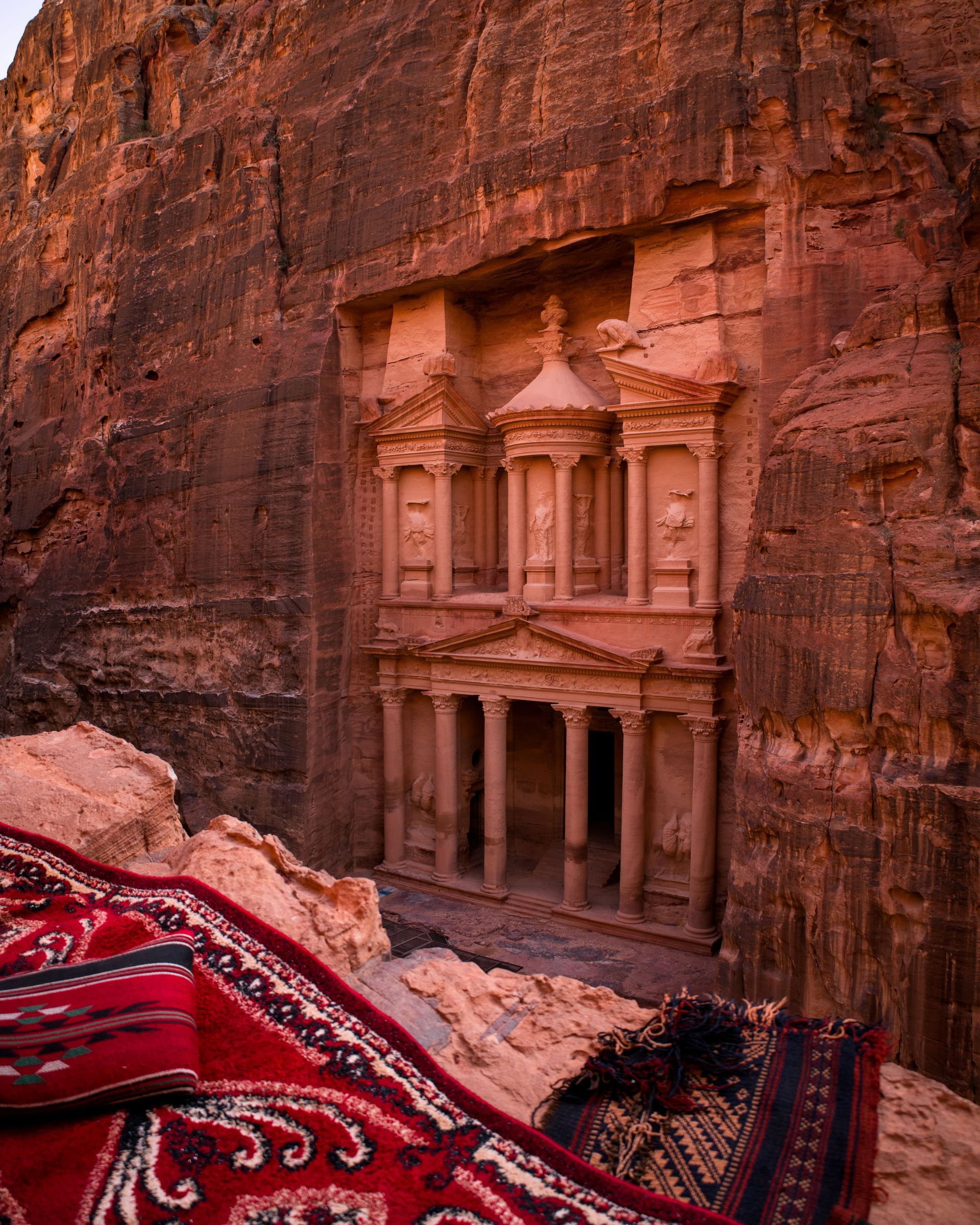
Most people visit Petra. The main walking route takes around 700m to start from the Visitor Centre, and 1.2km along the Siq to reach the Treasury (Al Khazneh). Continue past the Street of Facades, Theatre, Royal Tombs and Colonnaded Street to Qasr al-Bint. The official main walking route takes around 2.5 hours.
We recommend arriving at 06:00. According to the Jordan Tourism Board, the first 2 hours is the quietest, giving you the most peaceful walk through the Siq. The path back to the gate is uphill so can be underestimated in the afternoon. If members of your group are struggling, you can take the golf cart to the Treasury for 15JD one way (Oct 2026).
If visiting Petra in a day from the capital, our Amman to Petra Day Tour includes 3 hours with a guide and entry ticket.
Duration: half a day minimum, 1 day preferred. Months: Any. Best time: Early morning. Suitable for: Anyone able to walk 8-10km on sandy/gravelled terrain.
2. Climb to the Monastery (Ad-Deir)
This is larger than the Treasury, and is 48m high. It is located up over 850 carved stone steps from the old city. As it takes several hours, most people will not make it to the Monastery. Plan for 4-5 hours in total (including a tea break at the café across from the façade) to get to and from. However, once at the top, the view across Wadi Araba is incredible, and you should spend an extra 10 minutes.
To avoid walking up in the sun, we recommend starting before 10am (April-October). We offer a Petra Monastery Walk with a guide to suit the pace of your group.
Duration: 4-5 hours. Best time: Early start. Avoid midday (May-Sept). Suitable for: Fit walkers. Not suitable for young children or people with knee problems.
3. Enter Petra by the back door from Little Petra
Recommended for a second day. You start near Little Petra, and then take the 5JD shuttle to reduce the distance walked by 5km. The walk takes you along cliff tops and across the plateau to get to the Monastery, and you’ll be the first to arrive as people won’t have made it up from the city yet. From here you descend to the basin, Royal Tombs, Treasury and out of the Siq.
The walk takes between 4-6 hours. You will need a valid Petra ticket. As the path is rough and offers no shade, we do recommend visiting in July or August Before 08:00. Our Petra Back Door trail is guided, as it is very different to the main trail.
Duration: 4-6 hours. Best in Oct-May. Good for walkers who have already visited the Treasury or wish to see the Monastery without large crowds.
4. Look down on Petra from the High Place of Sacrifice and Al-Khubtha
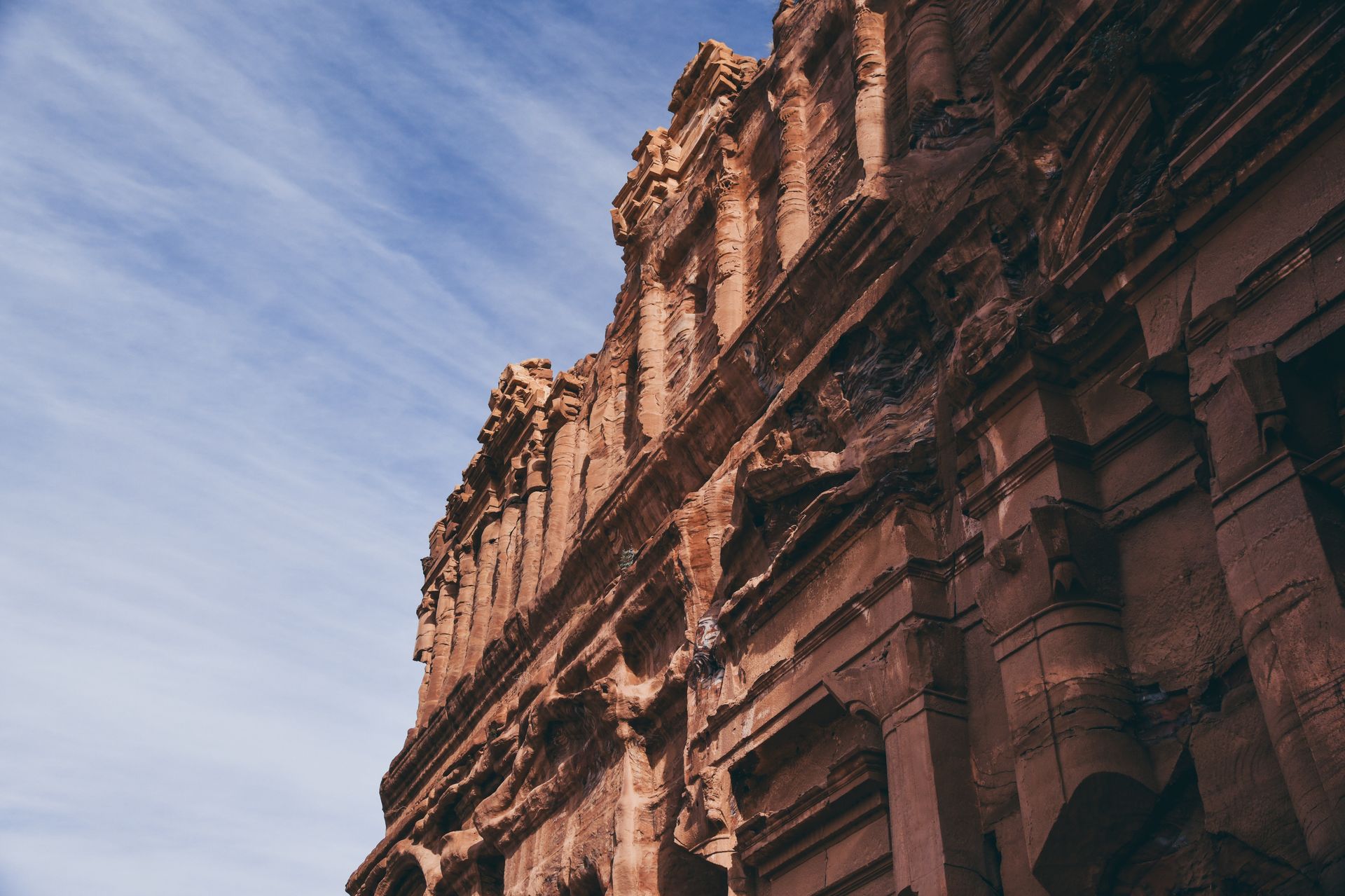
There are two options here. The High Place of Sacrifice trail branches off shortly before the Theatre and offers great views from the altar on Jebel Madbah. It descends into Wadi Farasa, passing the Garden Tomb and Roman Soldier Tomb. The official guided version will take 1.5 hours. Al-Khubtha starts behind the Royal Tombs. It ends with great views from a cliff on the Treasury. It takes 2-2.5 hours.
Al-Khubtha is best done in the morning to get good photos of the Treasury (before noon). The High Place can be done later. To do both without rushing, we offer a 3 day hiking tour of Petra. We do the main trail, High Place, Little Petra and Monastery over 3 days with the same guide.
1.5-2.5 hours. All year. Morning for Al-Khubtha. Suitable for steady hikers who are not scared of heights.
5. Petra by Night, with realistic expectations
Petra by Night is open from Sun-Thurs. The duration is 20:30-22:30. The cost is 30JD (free for under 10s) (Jan 2026, Jordan Tourism Board). You will need to have paid to visit Petra during the day on the same day. This is not included in the Jordan Pass.
The tour includes walking through the Siq with candles. There is also music and a brief talk in front of the Treasury. On quiet nights this is very nice but if it is busy, you may get very crowded. With so many people using phone torches, it becomes very uncomfortable to walk back up in the dark. If you are staying overnight in Wadi Musa it is worth doing. However, if you have driven down from Amman in the morning, it is better to skip this and get some sleep.
2 hours. Sun-Thurs. Suitable for those staying overnight in Wadi Musa.
6. Little Petra (Siq al-Barid) and Beidha
Little Petra is 9km from Wadi Musa. There is a short Siq with Nabatean houses, reservoirs and eating areas. It was likely a trading stop for caravans entering Petra. One of the rooms has remnants of painted plaster on the ceiling, with pictures of vines and birds. A few minutes away is the site of a Neolithic village called Beidha. This has round foundations of houses.
This is a quick walk (1 hour) and you will be accompanied by a few Bedouin traders selling tea. Combine with the ‘back entrance’ hike, or with a drive to Wadi Rum.
1 hour. All year. Best in late afternoon. Suitable for all, including elderly people and families (mostly flat).
7. Shobak Castle
Shobak is a crusader castle built in 1115. It is located on a single hill around half an hour from Wadi Musa on the route to Dana. The cost to enter is 1JD. It is in a worse condition than Karak, which makes it charming. It involves climbing around vaulted rooms. If you have a torch, there is also a long tunnel to a cistern.
A good stop to make on the way to/from Dana. If visiting in winter, it can be very cold and windy at the top.
45 min-1 hour. All year. Recommended for castle fans, and for those driving along the King’s Highway.
8. Dana Biosphere Reserve and the walk to Feynan
Dana is Jordan’s largest nature reserve (managed by RSCN). Dana, an ancient stoney village, is at the top of a deep valley (>1km) leading to Wadi Araba. The entrance fee is 10JD + tax. Short walking trails can be completed in 1-2 hours. The famous trail is the long walk down to Feynan Ecolodge, taking the whole day. Bags must be brought down by vehicle, and a guide is required.
Dana is about 1 hour from Petra. It is best in spring. In summer, it is very hot at Feynan. In winter, some of the RSCN trails are closed. Check the latest trail information on the RSCN website.
Half a day-1 day. Best in March-May and Oct-Nov. Good for walkers and birdwatchers. Long trail is not ideal for small children.
Wadi Rum and Aqaba
9. Cross Wadi Rum by 4x4
Wadi Rum is a protected area with valleys and mountains of sand. It is 1.5-2 hours from Petra. The entrance fee is 5JD (visitor centre) or free with Jordan Pass. Almost everyone will visit this area on the back of a jeep with a guide from the Bedouins. We recommend doing this.
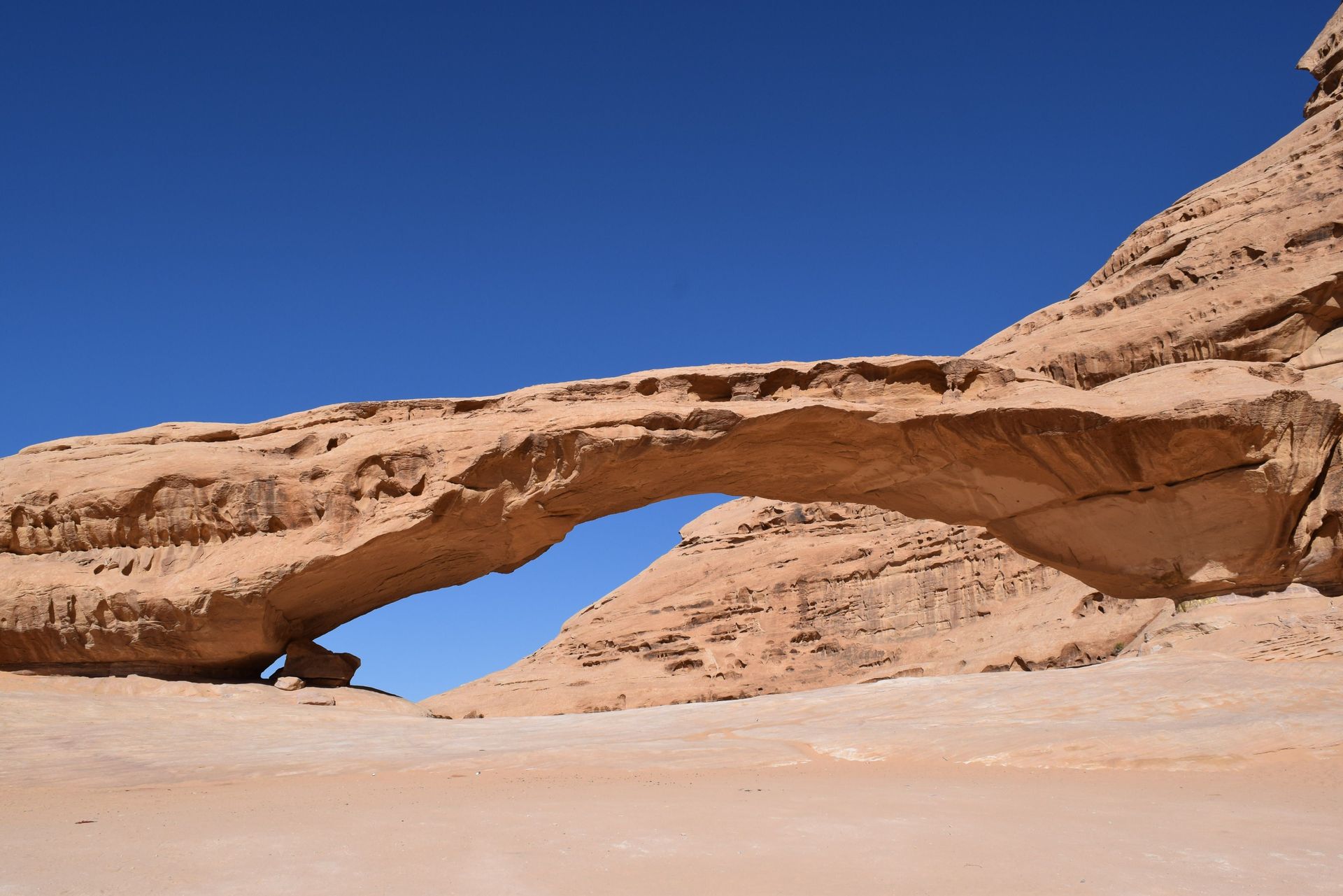
A 3 hour jeep tour will take you to Lawrence’s Spring, up red sand dunes, Khazali Canyon (with rock engravings), and Little Bridge arch. We offer a private 4x4 jeep tour with a Bedouin driver (from our team) who also acts as a guide. Time the tour to finish just before sunset.
2-3 hours (or whole day to reach more distant locations, such as Um Fruth rock bridge). All year. Best for daytime walks in Oct-April. Suitable for everyone.
10. Wadi Rum beyond the jeep loop
Whilst we recommend starting with the jeep tour, if you have a full day or second night, we recommend walking. If you can get up early to climb a dune in the sunrise, or take a slow camel ride through the bottom of a valley, or scramble up to Burdah rock bridge with a local guide (only suitable for fit and nimble groups), you will have a very different experience of the desert to that of Khazali Canyon in the afternoon (15:00).
Quad bike rides are very loud. Hot air balloon trips are also available subject to weather conditions.
1 hour to a full day. Best visited October-April. Summer only early morning. Suitable for: active travellers, stays of more than one night.
11. Sleep at a Bedouin camp and look up
Stay overnight in the desert. There are basic tents with shared bathrooms, or glass-domed accommodation. Often you can eat a meal of zarb (meat and veg in a hole in the sand), and drink sweet tea around a campfire. Due to minimal light pollution, the Milky Way is very visible on moonless nights.
November to March can be quite cold in the desert. You may need warmer clothing. If visiting for the star gazing, consider the phase of the moon.
1 (preferably 2) nights. All year round. Most comfortable in Spring/Autumn. Suitable for all including families.
12. Snorkel or dive the Red Sea at Aqaba
Aqaba is about 1 hour from Wadi Rum. The coral reefs here are just a few metres from the shore south of the city, so you can snorkel without a boat. Divers can visit the wreck of Cedar Pride and Japanese Garden reef, both of which are close to shore. The water temperature is warm enough to swim in all year, so in winter, Aqaba is extremely pleasant compared to the rest of Jordan.
If you arrive in Aqaba on a Cruise Ship, you may prefer to visit Petra. We can offer a shore excursion to Petra from Aqaba. It should fit around your Cruise schedule. We can spend 2.5 hours on the trail, with about 2 hours driving each way.
Half day to 2 days. All year round. Best in Spring/Autumn. Suitable for families, swimmers and divers.
The Dead Sea and the Jordan Valley
13. Float in the Dead Sea
The Dead Sea coast is the lowest point on land. It is about 1 hour from Amman. The water is very salty, and you can sit in it as if in a chair. We recommend floating for a maximum of 15-20 minutes. If you cut yourself in the water it will sting, and care must be taken to ensure water does not get into your eyes. You should shower immediately after with the showers on site.
You can pay on the day at hotels. Or visit public Amman Beach (simpler facilities). We would recommend half a day unless you want to relax. A private tour to a resort in the Dead Sea, with lunch is available from Amman.
Half a day. October-May (extremely hot on the shore in summer by mid morning). Suitable for all. Great to recover from Petra.
14. Wade up the Wadi Mujib Siq Trail
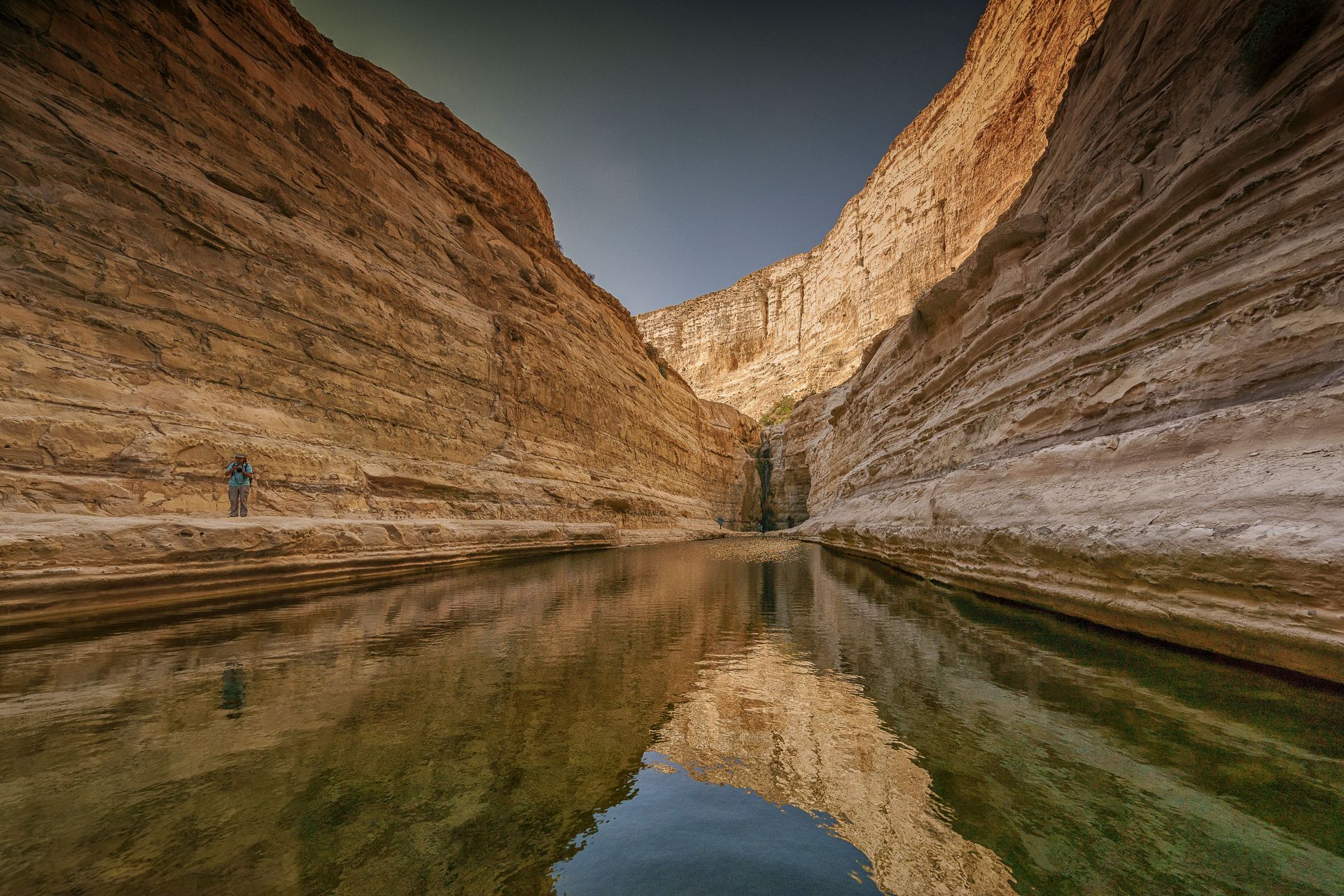
Follow a river upstream in a narrow canyon of sandstone to reach a waterfall. Wading and possibly swimming. Ropes and ladders are required on more challenging parts. RSCN say this is suitable for independent travel and takes 2-3 hours. Non-Jordanians paid 23JD in 2026. It is about 90 mins from Amman, and close to the Dead Sea hotels.
Open between 1st April and 31st October. If there is a risk of flash flooding due to rain upstream, the site is closed. Wear waterproof grippy footwear. Take a dry bag. You will be very wet in the chest. However, a combination walk/float tour in Wadi Mujib and the Dead Sea is available. This includes this walk and a float in the Dead Sea. Only open in season. Suitable for guests aged 18+.
2-3 hours. April-October. Suitable for confident adults who are comfortable with water and some climbing.
15. The Baptism Site (Bethany Beyond the Jordan)
Al-Maghtas is thought to be the location of Jesus’ baptism by John the Baptist. Tours are available from the information centre. You will be taken in a shuttle to excavated Byzantine churches and baptism pools. From here you walk to the river. It is very narrow in this area, and only a few metres across. Entrance is 12JD, and it is not included in the Jordan Pass. According to the site itself, it is open from 08:00-16:00.
About 45 mins from Madaba or Mount Nebo. Can be combined in one day. Cover shoulders and knees.
1.5-2 hours. October-April (very hot in summer). Suitable for pilgrims and history lovers.
16. Ma'in hot springs
Hammamat Ma’in is a hot waterfall valley between Madaba and Dead Sea. Mineral water comes from the rocks and can be very steaming in winter. Pools can be soaked in. Charges vary depending on season and what activities you do. Check on arrival.
Try to visit on weekdays. It gets busy with local families on Fridays.
2-3 hours. November-April. Suitable for a relaxing afternoon.
Madaba, Mount Nebo and the King's Highway
17. Madaba's mosaic map and the view from Mount Nebo
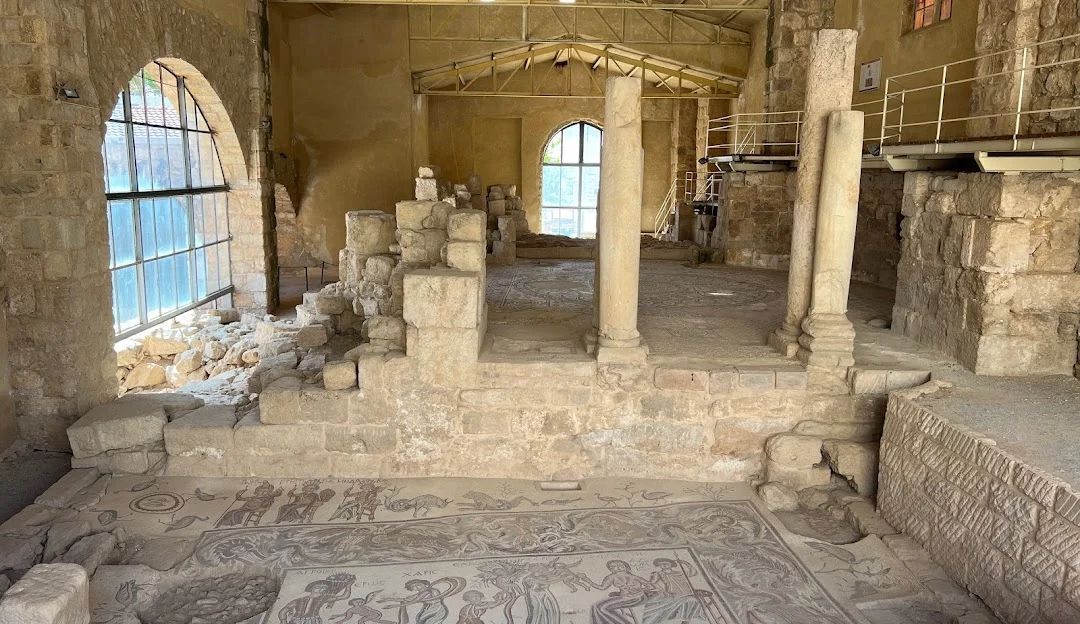
Madaba contains Byzantine and Umayyad mosaics. Most famous is the map mosaic on the floor of St George’s Church. It was created between 542-570 and discovered in 1884. Jerusalem is visible in the centre. The Archaeological Park (3JD, included in Jordan Pass) has several mosaics on the floor. Often quiet.
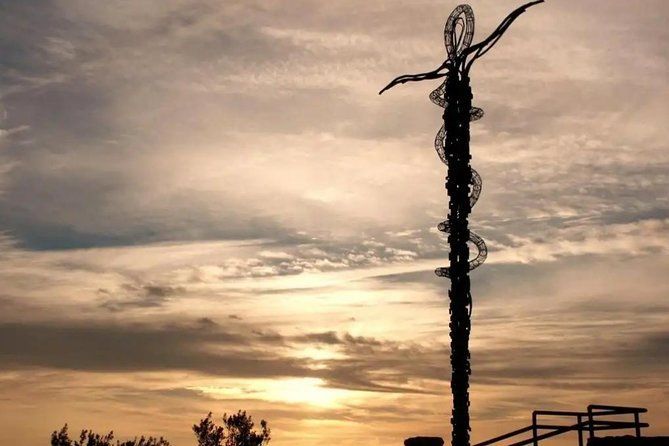
Mount Nebo is about 10km from Madaba. More mosaics can be seen in the memorial church owned by the Franciscans. The view from the terrace offers beautiful views over the Jordan Valley and Dead Sea. On clear days in winter, Jericho and Jerusalem can be seen. We can include a tour of Madaba and Mount Nebo from Amman in one trip with our driver.
Duration: half a day. Open all year. Best after rain in winter. Suitable for all. Little walking.
18. Karak Castle and the King's Highway
Drive along the King’s Highway to Petra from Madaba. There are deep valleys along this route, including a descent into Wadi Mujib. En route you will pass Karak, a large castle from the 12th Century. This has dark, vaulted rooms and a museum. It takes 2 hours from Amman. Entrance is 2JD.
If you take this route instead of the Desert Highway, a 3 hour drive becomes a full day. You will pass Madaba, Mujib viewpoint, Karak and Shobak. If you have a full day, this is a more interesting route.
Duration: 1-1.5 hours. Or full day. Open all year. Suitable for all. Uneven floor in Karak. Bring a torch.
Northern Jordan
19. Jerash
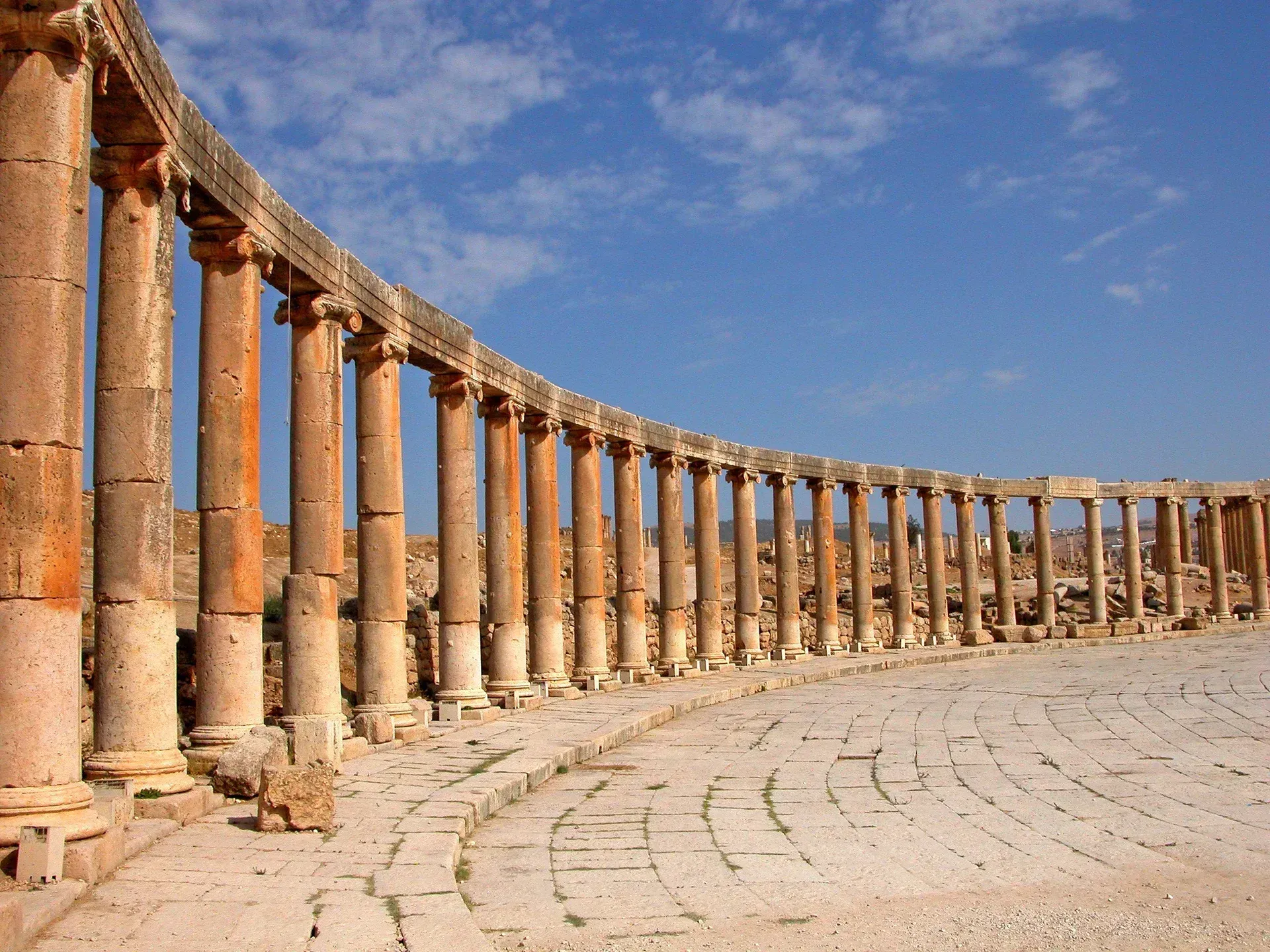
Jerash. An hour from Amman. This well preserved Roman site includes Hadrian’s Arch, Oval Plaza, colonnaded streets (chariot ruts remain in the road), 2 theatres and the Temple of Artemis. Entrance is 10JD. If you want to fully explore it, allow 3 hours. If you go to the North Theatre, allow longer.
Go early/late as there is little shade. On the same day as Jerash, you can combine with the next two places on our Jerash/Ajloun tour. There is a guide in Jerash (English speaking) for 1.5 hours.
Duration: 3 hours. March-May, Oct-Nov. Suitable for all. Flat path on main road.
20. Ajloun Castle and the forest
Ajloun Castle (Qal’at ar-Rabad). Built by one of Saladin’s commanders in the 12th Century to control the Jordan Valley. It is around 30 minutes from Jerash, on top of a hill with pine and oak trees. Entrance 3JD. Around this area is the RSCN Ajloun Forest Reserve. Short walks. Green hills in Spring. May be a surprise as Jordan is commonly known for desert.
Duration: 1 hour. Or half day with walks in forest. Best in Spring. Suitable for all. Walkers suitable in reserve.
21. Umm Qais
Umm Qais (ancient Gadara). In far north west of Jordan, 2 hours from Amman. Features a black basalt theatre and colonnades with views of the Sea of Galilee and Golan Heights. Entrance 5JD. Less busy than Jerash. Very nice to have lunch on a terrace with the view.
Duration: 1.5-2 hours. Open all year. Best for clear views in Spring and Autumn. Suitable for history enthusiasts, or if you have already been to Jerash.
Amman and the eastern desert
22. Amman's Citadel, Roman Theatre and downtown
Start with the Citadel (3JD). Highlights include the Temple of Hercules, Umayyad Palace and Jordan Archaeological Museum. Walk down to the Roman Theatre (2JD) built in the 2nd Century. It has room for about 6,000 people. Further down town, there are souks, spice shops and gold sellers. Walk back up to Rainbow Street to find cafes and great views.
We offer this as part of an Amman city tour, including Citadel, Theatre, souks and Rainbow Street, and traditional lunch.
Duration: half a day to a full day. Open all year. Suitable for all. Steep steps at Citadel if walking up from downtown.
23. Eat your way round Amman
Great place to try local food. Try Falafel and Hummus for breakfast, Mansaf (lamb cooked in fermented yoghurt (jameed) and served with rice) for lunch, and Knafeh (warm cheese pastry in syrup) at any time. Meals with mezze can be very long. In Wadi Musa and Wadi Rum, local families will serve Maqluba (rice and chicken, cooked upside down) and Zarb.
Eat where there is a local queue.
Duration: As long as you want. Open all year. Many places only open after sunset during Ramadan. Suitable for all.
24. The desert castles
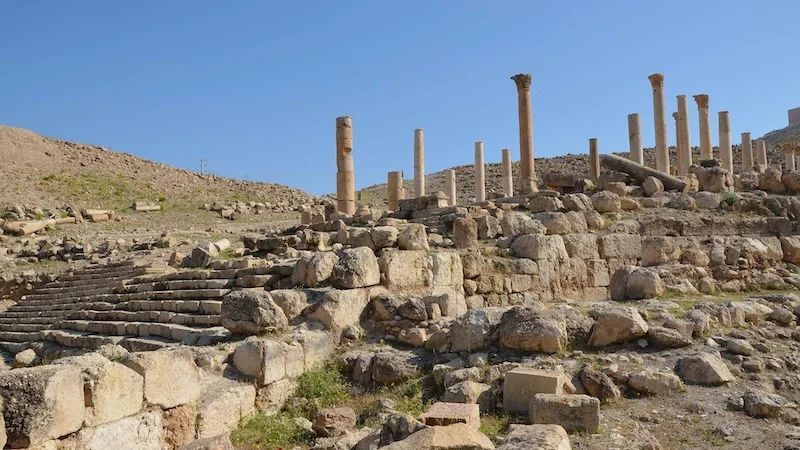
Early Islamic palaces and forts can be found in this flat stony landscape. Qusayr Amra is a UNESCO site, around 1.5 hours from Amman. It is a small 8th Century building with frescoes on the walls. The frescoes show scenes of hunting, music and zodiac signs. Qasr Kharana and Azraq Castle (where Lawrence spent the winter) can also be visited to make a loop. All cost 3JD or less. All are included in the Jordan Pass.
This is a half day drive, with lots of driving. Ideal if visiting for a second time, or if interested in early Islamic architecture.
Duration: half a day. Oct-April. Suitable for history enthusiasts.
Across the bridge
25. Jerusalem and Bethlehem
From Amman, the King Hussein Bridge can be reached in under an hour. From here, Jerusalem Old City is a short drive away. Spending a few days across this bridge can be a good option to start/end your trip in Jordan. We offer a 3 day tour of Jerusalem and Bethlehem from Amman. Includes Old City, Bethlehem, Nazareth and Sea of Galilee. Private transport on both sides.
Border times and conditions change frequently, so check near the date of your trip.
Duration: 3 days. Open all year. Suitable for pilgrims, or if you have extra time.
When to go: seasons, heat, floods and Ramadan
Spring (March-May) and Autumn (Sept-November) are pleasant months in most places. Petra is very busy in these months. Temperatures in Petra during the day reach low/mid 20s during the most pleasant weeks (Jordan Tourism Board).
Summer (June-August) can be very hot in Petra. Afternoons often reach over 35 degrees. Even hotter in Dead Sea/Aqaba. However, if you start early (06:00) and take breaks between 12:00-16:00 and keep walks short, it can work. Hotels will be quieter.
Winter (December to February) can be pleasant with snow in mountainous areas surrounding Petra and Shobak. However heavy rains can cause flash flooding. Petra had to be evacuated during December 2022 and May 2025. The Siq is sometimes closed for safety, so it is a good idea to allow extra time in the mornings. The Siq Trail in Wadi Mujib is closed between November and March.
Ramadan 2027 will run between about 8th February and 8th March. While sites will still be open, many will have reduced opening times. Many restaurants will be closed until sunset and it is best to avoid consuming food/drink in public during daylight hours. Evenings will be very busy. For the best times to visit Jordan and to know which trails are best in which months, see our guide.
Three, five and seven days: how to link it all
Amman to Petra: 2.5-3 hours (on the Desert Highway). Petra to Wadi Rum: 1.5-2 hours. Wadi Rum to Aqaba: 1 hour. Amman to Dead Sea, Jerash and Madaba: about 1 hour.
3 days. Day 1: Amman to Petra. Explore main trail in Petra. If visiting on Sunday to Thursday, Petra by Night. Day 2: Monastery or ‘back door’ route from Little Petra. Day 3: Jeep tour in Wadi Rum. Return to Aqaba or head back north. (about 4 hours to Amman).
5 days. Day 1: Amman Citadel and city. Day 2: Jerash, Ajloun and Umm Qais. Day 3: Drive down the King’s Highway. Stop in Madaba, Mount Nebo and Karak. Arrive in Wadi Musa. Day 4: Petra. Day 5: Wadi Rum. Spend night in camp or drive to Aqaba.
7 days. As above, but with an additional day in Petra (High Place and/or Monastery). Spend a day in the Dead Sea. If the Siq Trail in Mujib is in season, include this. Alternatively, if you prefer walking to floating, include a stop in Dana between Karak and Petra.
All multi day tours can be adapted to suit. We can also design completely customised routes.
Getting around
Public transport in Jordan connects major towns, not sites. According to the Jordan Tourism Board, there is 1 bus per day between Amman and Wadi Musa (JETT tourist bus). However, there is no useful public transport to Little Petra, Dana, Baptism Site or desert castles. It is possible to hire a car. The drive along the Desert Highway is quick, but you will be very alert due to heavy traffic and speed bumps.
Hiring a private driver means you can take your time and stop to take photos. You will arrive in Petra at 06:00 without having to find a taxi at 05:00. Your driver will come to collect you from your hotel. If you are on a guided tour, your guide will accompany you into sites. If just hiring a driver, you will be free to explore.
Who each place suits
Families with children. Children under 12 are free to enter Petra. The main trail, Little Petra, a jeep tour in Wadi Rum, overnight in camps, supervised visits to the Dead Sea, and coral reefs in Aqaba are all great for families. However, the Siq Trail in Wadi Mujib is not suitable for children. The steps to the Monastery may be difficult for small legs.
Seniors. Little Petra, Madaba, Mount Nebo, Main Street in Jerash, Citadel, and jeep tour in Wadi Rum all involve little climbing. In Petra, use the golf cart to get to the Treasury. However, if you do not regularly walk up hills, it is better to skip the Monastery and back door route.
Women Travelling Alone. Many women travel alone in Jordan. Wear covering clothing (over shoulders and knees) outside of resorts. Sit in the back of taxis. Choose a reputable camp in Wadi Rum. Hiring a private driver removes most concerns regarding late transport.
Safety. As of 18th November 2026, the UK Foreign Office is advising against all travel within 3km of the border with Syria. There is a high risk of sudden escalation in the region and therefore potential disruption to flights. Umm Qais is the closest site on this list to the border, so refer to the FCDO map to check whether you should visit. As of 29th August 2026, the US has issued a level 3 travel advisory for Jordan. Refer to both advisories before booking, and check with your travel insurance.
Frequently asked questions
What are the top things to do in Jordan?
The most popular sites to visit in Jordan are Petra, Wadi Rum and the Dead Sea. After these, Jerash, Madaba (Mount Nebo), and Wadi Mujib (April-October) offer the most rewarding experiences.
How many days do you need in Jordan?
To comfortably include Amman, Jerash, Petra and Wadi Rum, 5 days is ideal. With 7 days, you could also include the Dead Sea, Madaba, and another day in Petra.
Is the Jordan Pass worth it?
If you require a visa, one day in Petra plus the visa cost (40JD) will be over the cost of the 70JD pass. If you are not requiring a visa, it will be worth it once you have added 2 or 3 paid sites to Petra.
When is the best time to visit Jordan?
The most comfortable months to visit are March-May and September-November. Be aware that it will be extremely hot in the Dead Sea and Aqaba in summer. Flash flooding can occur in Petra in winter, meaning that the Siq may be closed.
Can you visit Petra and Wadi Rum in one day?
It is possible, but you would only be able to complete the main trail in Petra, and a short jeep tour in Wadi Rum. As it takes 1.5-2 hours to drive between Petra and Wadi Rum, we would suggest doing these as 2 separate days.
Is Petra by Night worth it?
It is if you are staying in Wadi Musa. It costs 30JD and is open from Sunday to Thursday. It can get very busy.
Is Wadi Mujib open all year?
No. The trail is open between 1 April and 31 October. It is closed on days where there is a risk of flooding.
Do I need a private driver in Jordan?
You do not need this in Amman. However, most sites outside of main towns have no useful public transport. Hiring a driver will mean you can get to Petra in time for opening.
If you would like help designing a route, all of our trips can be private and tailored to your dates. The routes above are a good place to start.
Last updated: 22 November 2026
Recent Posts